
Guides and explainers
Caffeine guides and articles
Curious about your daily coffee or tea? Find practical guides, drink comparisons and a closer look at caffeine, sleep and drinking habits around the world. We link to the research and tell you when an answer is still unclear.
Nescafé Original vs Gold vs Azera: What the UK Evidence Says
Separate a shared Original/Gold caffeine range from an unverified Azera figure, without confusing flavour strength with a measured dose.
Read articleHow Much Caffeine Is in Instant Coffee? A UK Evidence Guide
Compare the published UK instant-coffee evidence, understand ranges per gram and see why unknown brand figures must stay unknown.
Read article
Hot Chocolate vs Coffee: Caffeine Is Not Always Zero
Compare listed UK hot chocolate and coffee servings, see why cocoa contains caffeine, and avoid treating a mocha as ordinary hot chocolate.
Read article
Costa Coffee Shots by Size: Latte, Cappuccino & Flat White
Inspect Costa’s dated shot-count recipes by size, including Small drink-in vs takeaway lattes and the different flat-white extraction.
Read article
Decaf Coffee vs Decaf Tea: Which Has Less Caffeine?
Compare decaf evidence without assuming zero: brewed coffee ranges, a named café serving, and the limits of dry-tea caffeine figures.
Read article
Is coffee good for you? Benefits, risks and what the research shows
Understand coffee health research, the difference between association and causation, and why preparation, sleep and personal circumstances matter.
Read article
Tea vs coffee: how do their health effects compare?
Compare tea and coffee without declaring a universal winner: caffeine, research quality, preparation, added ingredients and practical trade-offs.
Read article
Is decaf coffee good for you? Caffeine, research and how it’s made
Explore decaf health evidence, water and solvent-based processing, residual caffeine and sensible ways to compare your coffee options.
Read article
Green tea, black tea and matcha: what actually makes them different?
Understand tea processing, brewing, caffeine variation and the limits of health claims for green tea, black tea and matcha.
Read article
Does coffee dehydrate you? Fluid intake, caffeine and exercise explained
Separate urine production from dehydration, understand coffee hydration research and learn why illness and exercise need different considerations.
Read article
Coffee and your gut: digestion, reflux and the evidence behind common claims
A careful guide to coffee, bowel movements, reflux and microbiome headlines, including what decaf changes and what remains uncertain.
Read article
Coffee and cholesterol: does your brewing method matter?
Explore coffee oils, paper filters, espresso and cafetière research, with clear distinctions between caffeine, cholesterol and disease risk.
Read article
Which country drinks the most tea? Totals, per-person figures and data pitfalls
Explore tea consumption using dated, figures with source links and learn why total consumption, per-person estimates and production rankings differ.
Read article
Which country drinks the most coffee? What the numbers really mean
Compare dated coffee-consumption figures, understand Finland’s reputation and see why countries, trade blocs and cups can’t be ranked interchangeably.
Read article
Is Britain becoming a coffee nation? How to read changing drinking habits
Look beyond café counts and spending headlines to understand UK tea and coffee habits, household surveys and what the evidence can’t tell us.
Read article
Where does our caffeine come from? Coffee, tea, energy drinks and food
Understand sources of dietary caffeine, dated UK and US survey findings, age differences and why a national average isn’t your personal intake.
Read article
How the world drinks tea: traditions, serving sizes and caffeine
Explore selected tea traditions, the importance of sharing and preparation, and why national tea styles can’t be assigned one caffeine dose.
Read article
From coffee houses to energy drinks: how caffeine became an everyday habit
Explore the trade, work, social rituals and changing products behind caffeine’s history, without mistaking origin legends for documented facts.
Read article
Why does caffeine affect people differently? Genetics, habits and context
Separate caffeine metabolism, sensitivity and tolerance, understand genetic research and learn why a calculator can’t diagnose your personal response.
Read article
Caffeine and concentration: does coffee help you work or study?
Examine caffeine and attention research, withdrawal reversal, study habits and the distinction between feeling alert and learning effectively.
Read article
Why does coffee sometimes make you feel tired?
Explore sleep pressure, withdrawal, tolerance and expectations, without treating tiredness after coffee as proof of a diagnosis or a fixed caffeine crash.
Read article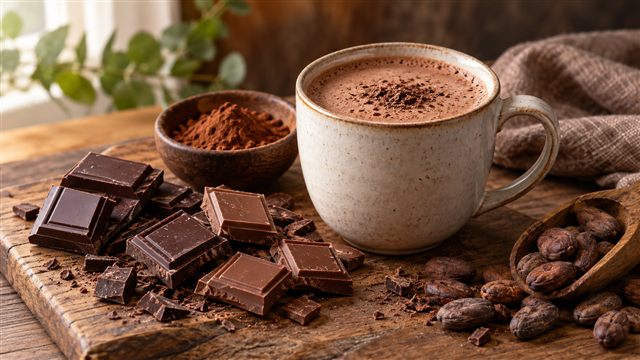
How much caffeine is in chocolate, cocoa and other foods?
Understand chocolate caffeine, cocoa powder, theobromine and serving-size calculations, with clear limits on generic food-composition figures.
Read articleCoffee brewing and caffeine: espresso, filter, cafetière and cold brew
Understand coffee dose, extraction, dilution and serving size, with worked examples explaining why flavour strength can’t tell you caffeine content.
Read article
Does Lucozade Have Caffeine? Sport vs Energy vs Alert
Compare the official UK caffeine information for Lucozade Alert, Energy and Sport, with clearly labelled serving calculations.
Read article
Pepsi Max vs Pepsi Zero Sugar: UK and US caffeine figures
Understand the US Pepsi Zero Sugar 20 oz record, why it isn’t a UK Pepsi Max measurement, and how to check your own bottle.
Read article
Monster Original vs Ultra: does sugar-free change caffeine?
Compare the recorded UK 500 ml Original Green and Ultra White servings, keeping sugar claims separate from caffeine amounts.
Read article
Starbucks caramel macchiato: hot vs iced caffeine by UK size
Compare listed UK hot and iced caramel macchiato recipes across sizes, with source dates and customisation limits.
Read article
Starbucks Frappuccino caffeine: coffee vs crème in the UK
Compare documented coffee, chocolate and matcha Frappuccino recipes and see why a crème name doesn’t tell us zero caffeine.
Read article
Starbucks tea caffeine: Youthberry, black, green and iced drinks
Inspect UK tea recipe records, including Youthberry, and distinguish low listed values from a claim of caffeine-free brewing.
Read article
Starbucks matcha vs chai vs coffee: caffeine by UK serving
Compare listed UK matcha latte, chai latte and coffee servings without borrowing US recipes or treating every tea drink alike.
Read article
How much caffeine does an extra espresso shot add?
Use Costa and Starbucks UK extraction records to understand shot increments, recipe differences and the limits of custom-order estimates.
Read article
Why a larger coffee doesn’t always mean more caffeine
See how serving volume, espresso count and extraction create different caffeine patterns in documented café recipes.
Read article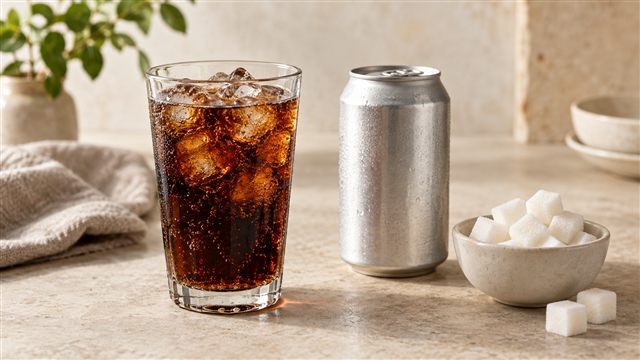
Does sugar-free mean caffeine-free? Read the full label
Distinguish sugar-free, caffeine-free and decaf using UK cola and energy-drink examples with separate source evidence.
Read article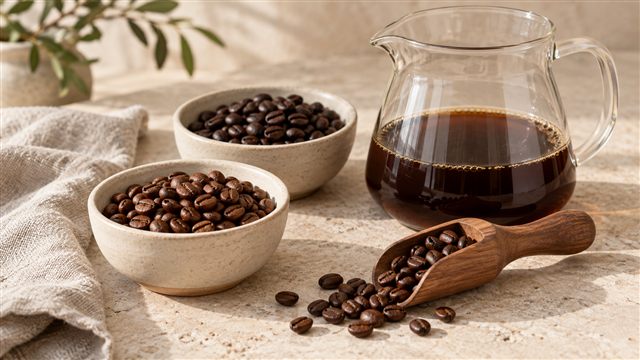
Half-caf vs decaf: compare caffeine without assuming zero
Work through a transparent blend example and see why half-caf isn’t necessarily half the caffeine of a regular serving.
Read article
Two coffees vs one large coffee: how doses add up over time
Compare equal total caffeine taken together or several hours apart using reproducible, clearly labelled half-life calculations.
Read article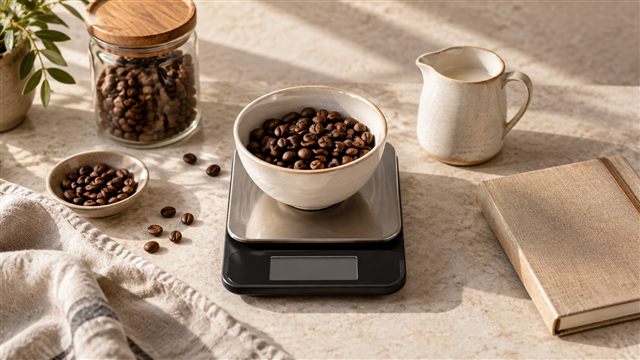
Why coffee caffeine figures disagree: sizes, recipes and sources
A practical method for checking conflicting caffeine figures by market, serving, extraction, evidence tier and source date.
Read article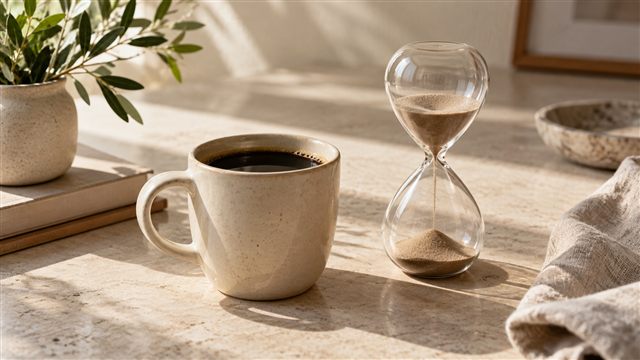
How much caffeine is left after 6, 8, 10 or 12 hours?
Use transparent tables to estimate how much of a 50–300 mg caffeine dose remains after 6, 8, 10 or 12 hours.
Read article
How to reduce caffeine gradually
Measure your current intake, build an adjustable step-down plan and understand what evidence says about caffeine withdrawal.
Read article
When should you stop caffeine before bed?
Calculate a practical caffeine cutoff from your dose, bedtime and half-life, with worked examples for common sleep schedules.
Read article
How long does 200 mg of caffeine last?
Follow a worked caffeine half-life timeline for a 200 mg dose and see how timing and metabolism change the estimate.
Read article
Can coffee at 3 PM affect your sleep?
See how much caffeine could remain by bedtime after a mid-afternoon coffee and learn how to test a better cutoff.
Read article
How long does pre-workout caffeine stay in your system?
Estimate how a 150–300 mg pre-workout dose declines and what an evening training session could mean for bedtime.
Read article